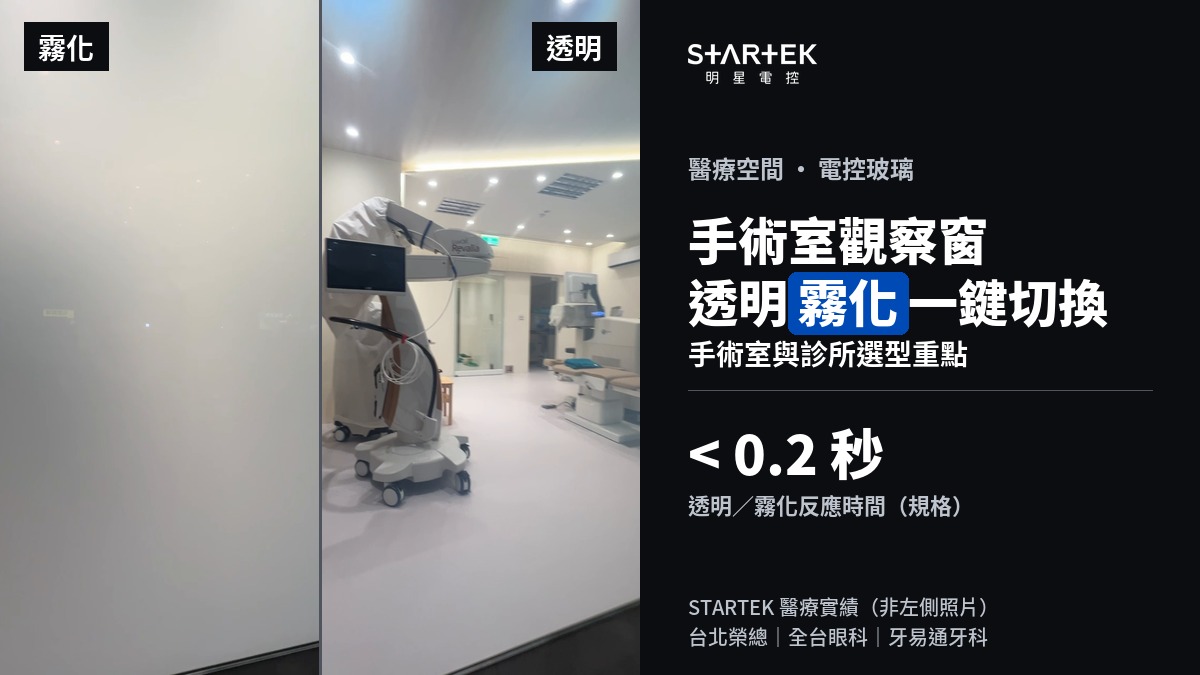
Smart Glass Selection Guide: Color Temperature & Resolution Application Tips for Designers

With the gradual popularization of smart building materials in recent years, "switchable glass" has become an important element for many designers when planning modern office spaces and high-end residences. However, for designers encountering switchable glass for the first time, they often face these questions:
"How do I choose the switchable glass that suits my space?"
"What impact do different color temperatures and resolutions have?"
This article will provide a comprehensive explanation from a practical perspective for designers on how to select the most suitable switchable glass product based on the two core indicators of color temperature and resolution.
What is Color Temperature? Why Should It Be Considered for Switchable Glass?
We can understand the color temperature of switchable glass much like the light tone of an LED lamp. The common color temperature range spans from a yellowish 2800K to a whitish 5000K. Different color temperatures of glass directly affect:
- The shielding effect of the glass after becoming hazy
- The contrast between the hazy and transparent states
- The overall atmosphere and visual effects of the space
How the Choices of Switchable Glass Can Be Categorized
When choosing switchable glass, designers can consider it from two dimensions:
- Color Temperature (Tonal Tendency): Yellowish vs. Whitish
- Resolution (Transparency Clarity): High Shielding vs. Strong Sense of Permeability
These two dimensions offer different combinations and usage recommendations based on different spatial scenario requirements.
Yellowish-Light Switchable Glass: Excellent Shielding, Suitable for Private Residential Spaces
Yellowish light (color temperature around 2800K) provides an excellent shielding effect in its hazy state; even with a difference in light sources, it is nearly impossible to see through to the interior of the glass. The resolution of this type of glass is relatively low, meaning it presents a heavier "dense fog feel" in the hazy state. It can effectively block external lines of sight and human silhouettes, leaving almost zero visibility of shadow contours.
Recommended Spaces:
- Residential bathroom spaces (bathrooms, toilets, master bedroom en-suites)
- Bedroom floor-to-ceiling windows (where a sense of privacy is desired)
- Entryway shielding areas (to prevent direct viewing of internal activities from outside)
Features Summary:
- Extremely high privacy
- Effective shielding even when lights are turned on at night
- Lower permeability, with a more pronounced misty feel
Design Note: This is highly suitable for designers to select for spaces that need to emphasize a "sense of privacy" and "shielding functionality."
Whitish-Light Switchable Glass: High Resolution, Suitable for Commercial and Exhibition Spaces
Whitish light (color temperature around 5000K) is currently the most common type applied to commercial offices and exhibition spaces. Although this type of switchable glass still has a certain shielding effect in its hazy state, it leans more toward a semi-transparent "screen door feel," where the movement of light and shadow can be faintly seen, but details remain unclear.
In transparent mode, it lacks the common white-mist look found in traditional switchable glass, presenting a clearer visual permeability that makes the space appear visually more open and airy.
Recommended Spaces:
- Office meeting room partitions (can be paired with projection use)
- High-end reception areas (where a sense of technology and fashion is needed)
- Luxury exhibition spaces (such as boutique windows, galleries)
- Commercial partition designs (such as banks, medical aesthetic clinics)
Features Summary:
- Clear and natural in the transparent state, close to the transparency of "ordinary glass"
- Strong visual tech feel, elevating the premium sense of the space
- Suitable for pairing with smart lighting systems to create scenario switching
- Slightly lower shielding capability in the hazy state; a faint permeability can be seen when looking from a dark area into a bright area
Choosing Glass for Meeting Rooms: Should You Worry About Privacy?
This is a question frequently asked by designers.
Many people mistakenly assume that the "semi-transparent hazy feel" of whitish glass does not offer enough privacy. However, in a meeting room scenario, the lights inside are mostly dimmed during use (such as during presentations), while the external space is usually bright. At this time, based on optical principles, it is impossible to see into the dark area from the bright area outside. This naturally protects privacy while keeping the entire space visually open.
In other words:
"When the lights are off inside the meeting room and the outside is bright, it is nearly impossible to see inside from the outside, yet the glass still maintains a high-quality texture."
This is exactly why many high-end enterprises, especially in the technology, finance, and design industries, choose whitish-light switchable glass with high resolution.
Case Sharing: Common Matching Methods for Designers
Conclusion: Choosing the Right Glass Elevates the Sense of Space
Switchable glass is no longer just about simple shielding. Through a precise grasp of color temperature and resolution, designers can make accurate selections based on spatial functions, visual requirements, and privacy needs, thereby maximizing the design effect.
Related Articles


Latest Articles
-
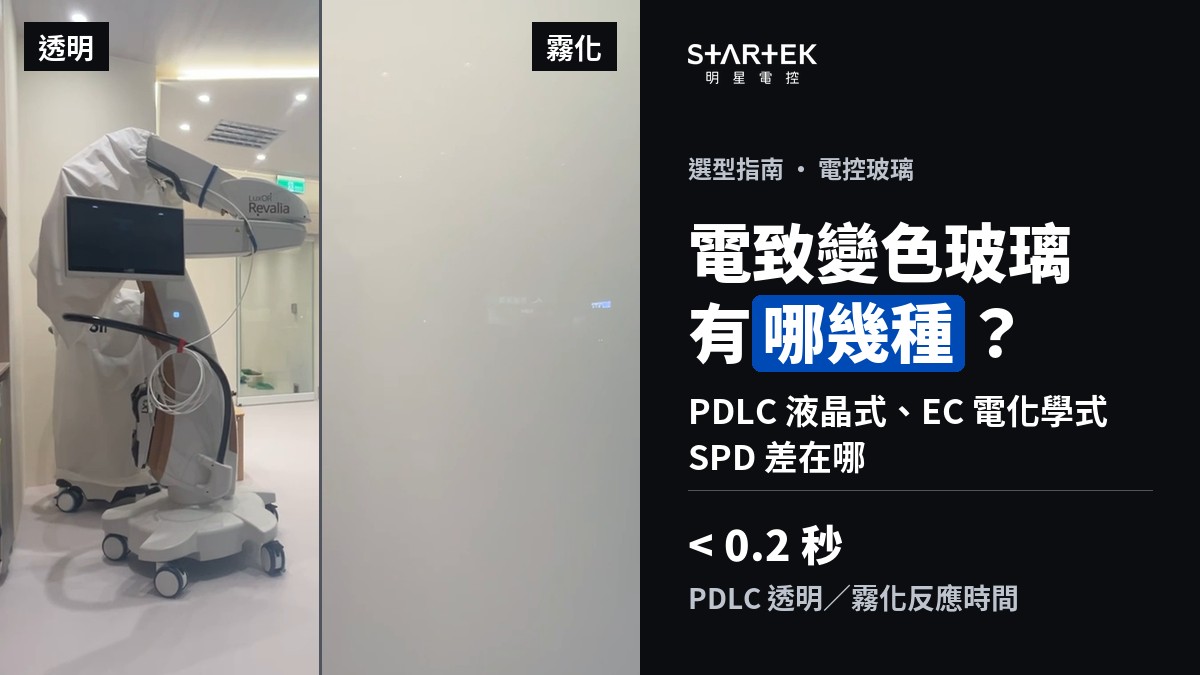
PDLC vs Electrochromic vs SPD: How to Choose the Right Switchable Glass Technology
Smart Glass Revealed -
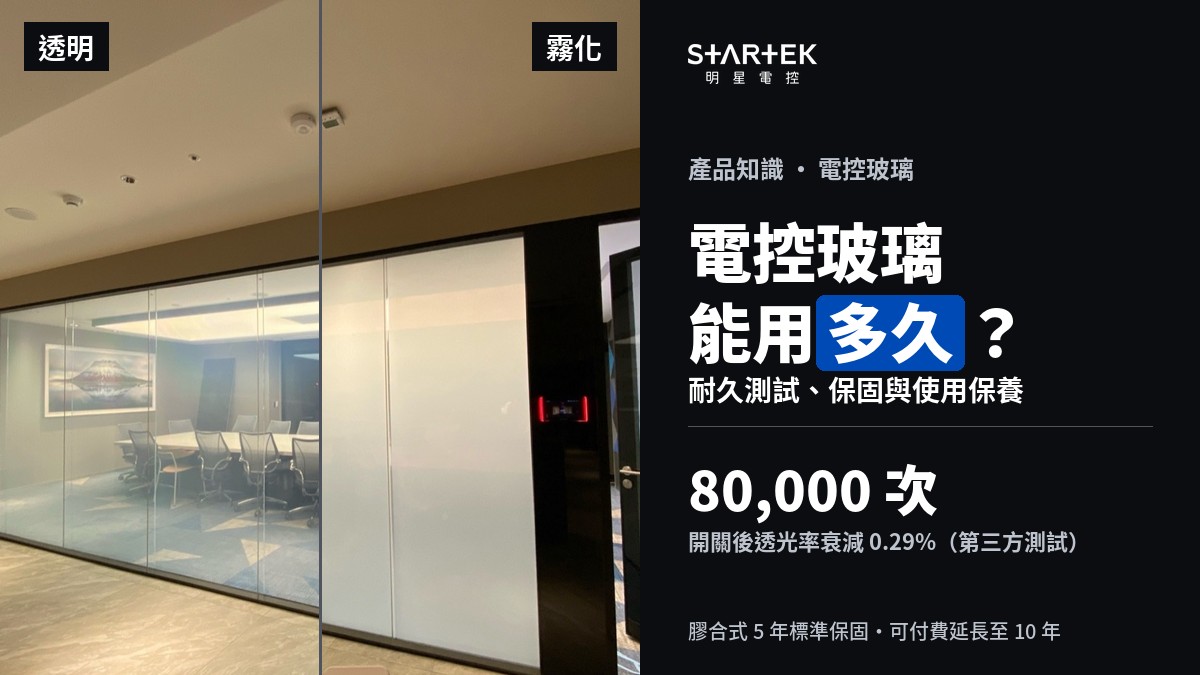
How Long Does PDLC Smart Glass Last? Durability Tests, Warranties, and Care
Smart Glass Revealed -
Retrofit PDLC Film or Laminated Switchable Glass? When Retrofit Film Works
Smart Glass Revealed