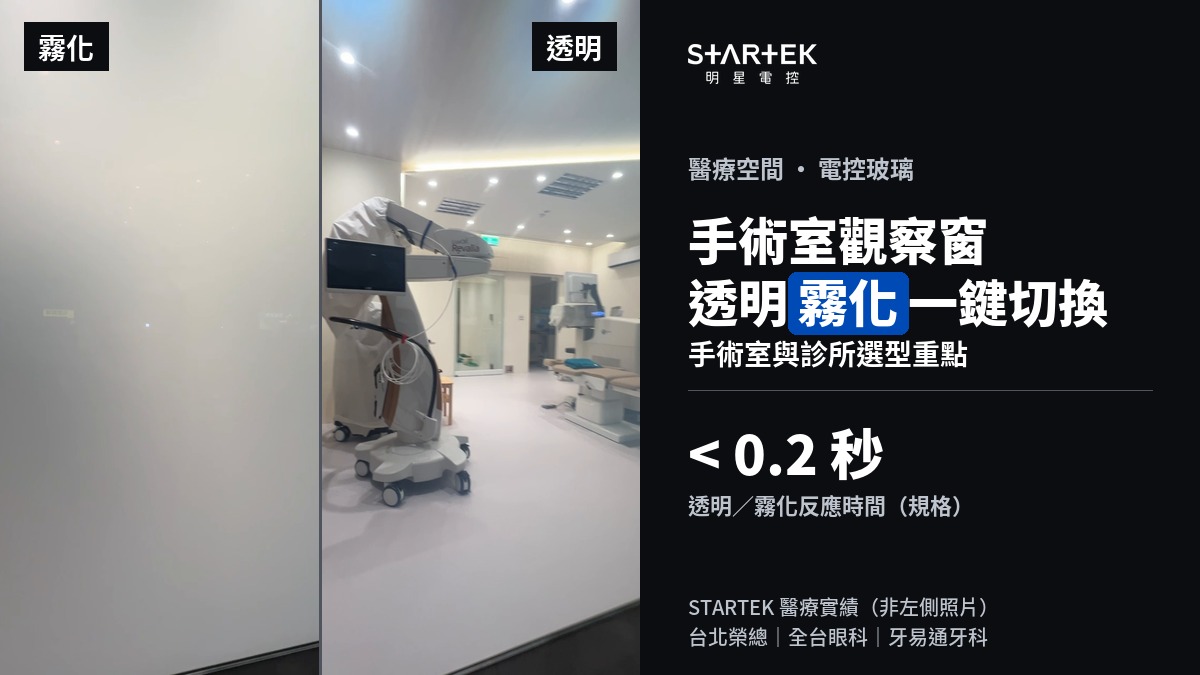
Is smart glass partition soundproofing good? Thickness, material, and installation are key

Soundproof conference rooms have become widely popular in recent years. Regardless of the company in any industry, the office is an important room for meeting reports. Especially when conducting video or audio conferences, a large sound amplification effect is required. Therefore, to avoid affecting the normal operation of the office, the room must have complete sound insulation functions.
Why do conference rooms have to be soundproofed?
In fact, modern offices have a variety of sound insulation equipment, among which glass partitions are the most common sound insulation solution and are suitable for any type of room. Usually the door is made of insulated glass, which not only increases the lighting of the space, but also has a comprehensive sound insulation function, which can not only improve work efficiency, but also provide a hidden conversation environment to protect user privacy.
Glass partitions are used not only to divide a room into sections but also to make the most of natural light. In offices, glass soundproofing helps quickly divide space without the need for construction. Through transparent partitions and setting up offices with glass walls, employees can be easily observed during the work process; if you need to conduct confidential discussions or browse private documents, you can choose Electronic Control Glass (PDLC) technology partitions.
Why are Electronic Control Glass technology partitions better at soundproofing than traditional light partitions?
The sound insulation of Electronic Control Glass technology partitions is better than that of traditional light partition walls, mainly due to the characteristics of the material. From a material perspective, explain why Electronic Control Glass technology partitions have better sound insulation effects:
Thickness:Electronic Control Glass technology partitions usually use 8mm thick glass or 5+5mm thick laminated glass. Compared to the calcium silicate panels in traditional light partition walls, the glass is thicker and therefore effectively absorbs and blocks more sound transmission.
Non-porous structure:The Electronic Control Glass technology partition is made of two glass interlayers filled with liquid crystal, and the surface is smooth and non-porous. Compared with the surface aperture of sound insulation cotton in traditional light partition walls, Electronic Control Glass technology partitions can more effectively reduce the chance of sound penetration.
Compartment sealing:In addition to material characteristics, we also need to consider other factors that affect sound insulation. Any gaps where the ceiling meets the floor will also reduce the quality of sound insulation, as sound can enter or exit the compartment through these gaps. Similarly, the gap between opening and closing doors is also an important factor affecting the quality of sound insulation. If there is a poor seal between the door and door frame, sound can penetrate the compartment through these gaps.
Therefore, when designing and installing partition walls, attention must be paid to the sealing of the ceiling, floor and door to ensure that the transmission of sound is effectively blocked. Generally speaking, due to its superior material properties and non-porous structure, as well as considering factors such as overall structure and sealing, Electronic Control Glass technology partitions can provide better sound insulation effects. Compared with traditional light partition walls that use calcium silicate boards and fill them with sound insulation cotton.

Things to note when using Electronic Control Glass technology partitions:
Although Electronic Control Glass technology partitions have advantages in sound insulation, their surface characteristics also make indoor sounds easy to reflect, leading to space echo problems. Therefore, when using electronically controlled liquid crystal glass for partition design, it is necessary to consider supplementing sound-absorbing materials to reduce indoor echo phenomena.
Placing sound-absorbing materials can help reduce sound reflections and absorb some of the noise energy, thereby improving indoor sound quality. Sound-absorbing materials are usually special materials with good sound-absorbing properties, such as polyester fiber, glass fiber, foam, etc. These materials can effectively absorb sound fluctuations, reduce sound reflection and echo, and provide a better listening environment.
The placement of sound-absorbing materials is also a key factor. Generally, sound-absorbing materials should be placed on surfaces that may cause sound reflections, such as walls, ceilings, and floors, as well as in corners of spaces that may cause echoes. These are the areas where sound reflections and echoes are most common. Appropriate placement of sound-absorbing materials in these locations can effectively improve the indoor sound environment.
Therefore, when using electronically controlled liquid crystal glass for partition wall design, not only should its superior sound insulation effect be considered, but also indoor sound reflection and echo issues should be paid attention to. With proper placement of sound-absorbing materials, you can provide a more comfortable, quieter indoor environment and enhance the overall listening experience.
Learn more about glass partitions:
Are there many types of light partitions and materials? How to choose?
Comparison of the advantages, disadvantages/costs of glass partitions and solid wall partitions. How do smart partitions change traditional glass partitions?
Startek has many years of experience in the design, application, and construction of Electronic Control Glass. It understands the differences between traditional building materials and light partition materials, and provides consumers and owners with the most professional Electronic Control Glass consultation. If you want to know more, click hereWelcome to consult, or call+886-2-7756-0773, a dedicated person will provide you with services.
▶Join Line to chat

Related Articles


.png)
.png)


Latest Articles
-
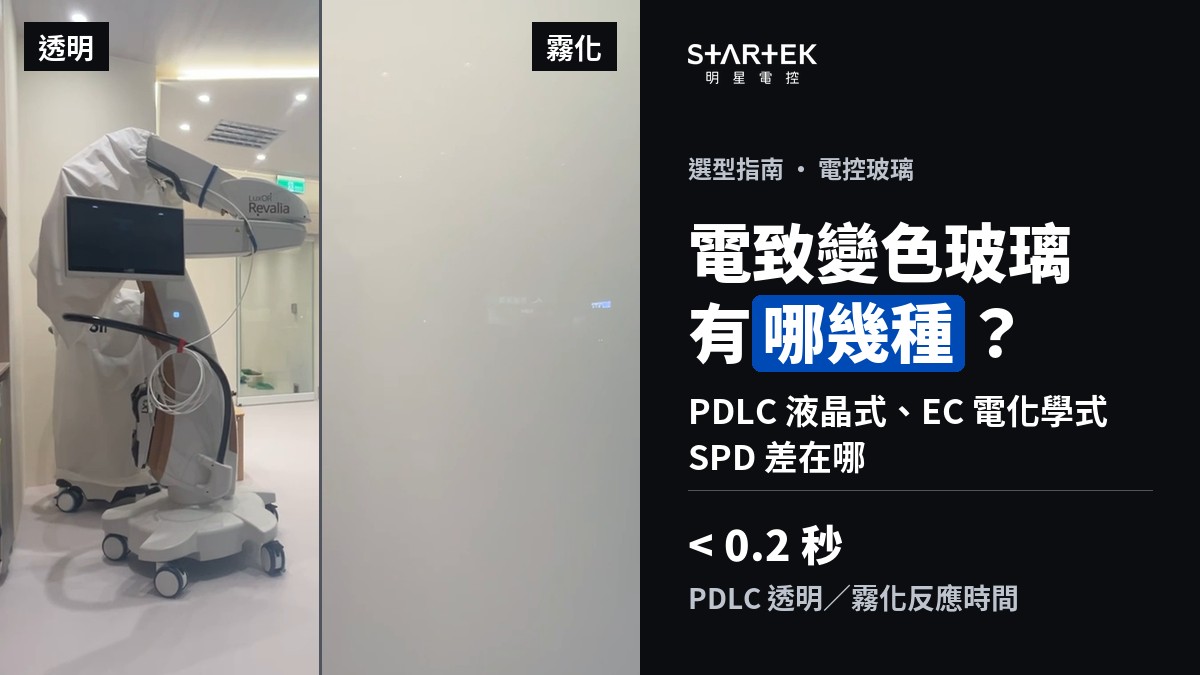
PDLC vs Electrochromic vs SPD: How to Choose the Right Switchable Glass Technology
Smart Glass Revealed -
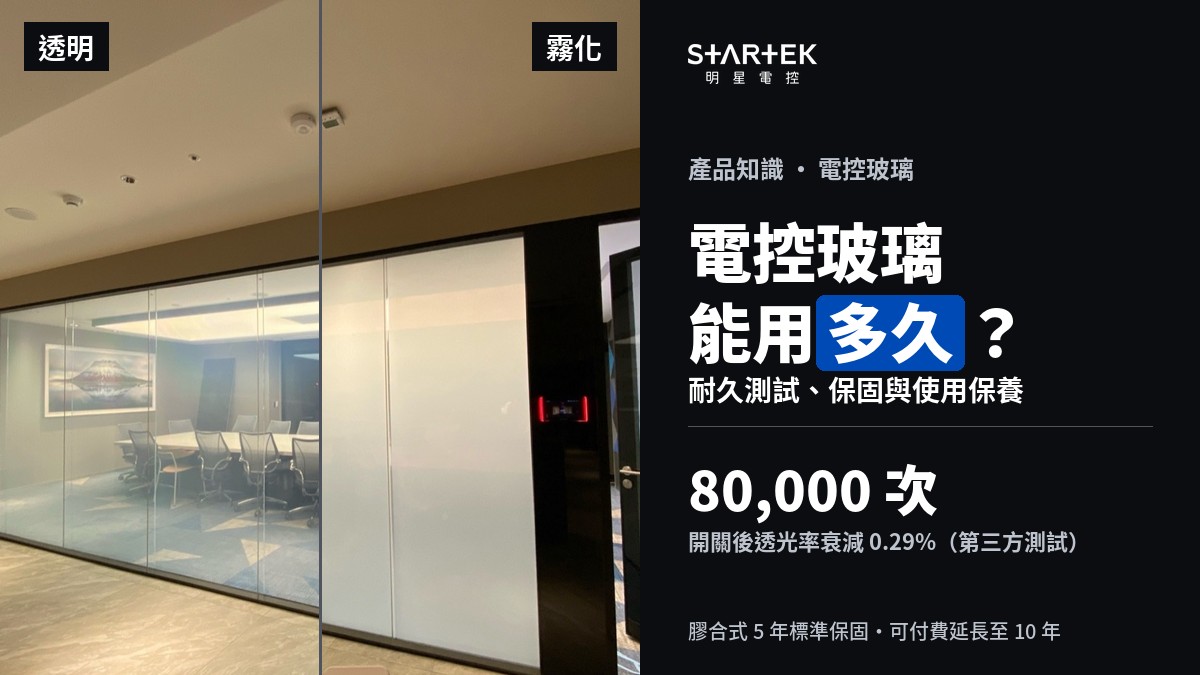
How Long Does PDLC Smart Glass Last? Durability Tests, Warranties, and Care
Smart Glass Revealed -
Retrofit PDLC Film or Laminated Switchable Glass? When Retrofit Film Works
Smart Glass Revealed