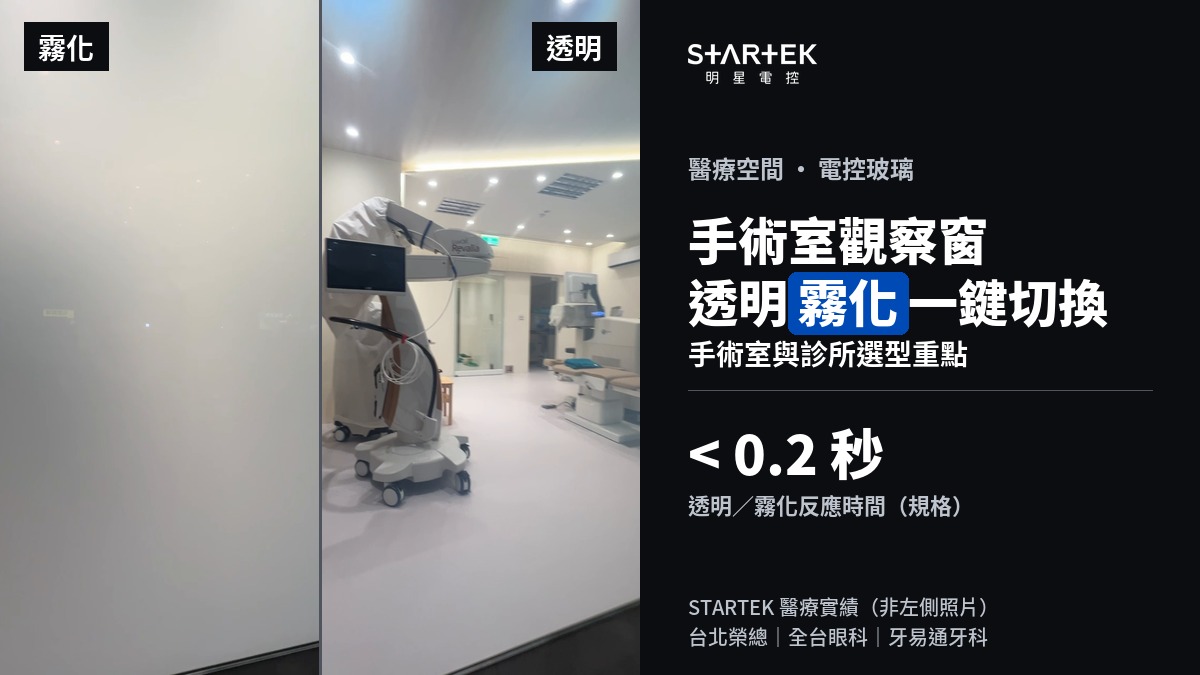
Is Smart Glass / Dimmable Glass Power-Hungry?

Because Electronic Control Glass (PDLC) needs to be energized when it is transparent, many people ask if there are other possibilities. There is another kind of reverse mode polymer dispersed liquid crystal in the material industry, which does not need to be energized when it is transparent. However, factories with stable mass production are currently relatively rare.
Many people ask us, does Electronic Control Glass consume electricity? In fact, it uses less energy than a light bulb. Because Electronic Control Glass uses a low voltage of 60V to achieve glass transparency and white fog effects, the average power consumption per square meter is only about ''5W/HR''.
So how economical are such energy-saving building materials?
Example below:
1. The average office cubicle is 15 square meters, and the electricity supply is 10 hours a day, which is equivalent to 22.5 kilowatt hours of electricity per month, and the electricity bill is about NT$90.
2. The average indoor compartment in a home is 10 square meters, and electricity is supplied for 10 hours a day, which is equivalent to 15 kilowatt hours of electricity per month, and the electricity bill is about NT$60.
*A 60W light bulb, turned on for 10 hours a day, is equivalent to 18 kilowatt hours of electricity per month, and the electricity bill is about NT$72!!!
Conclusion: "A whole wall of Electronic Control Glass saves more money than a single light bulb!!!!"
Related Articles


Latest Articles
-
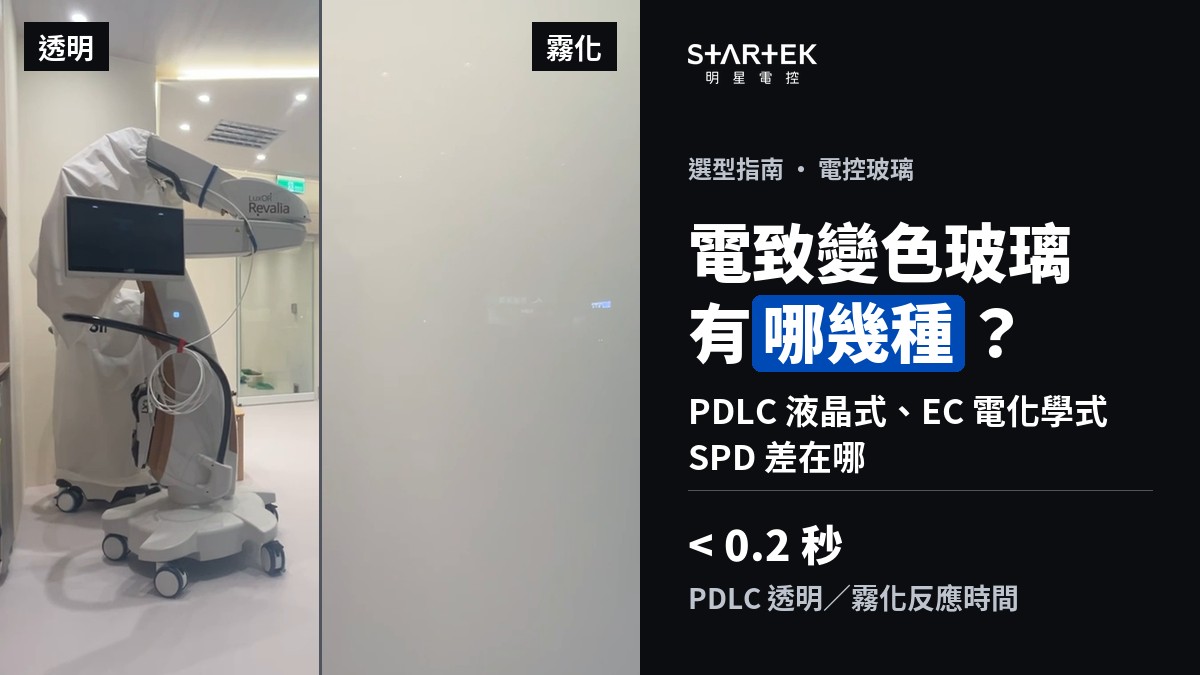
PDLC vs Electrochromic vs SPD: How to Choose the Right Switchable Glass Technology
Smart Glass Revealed -
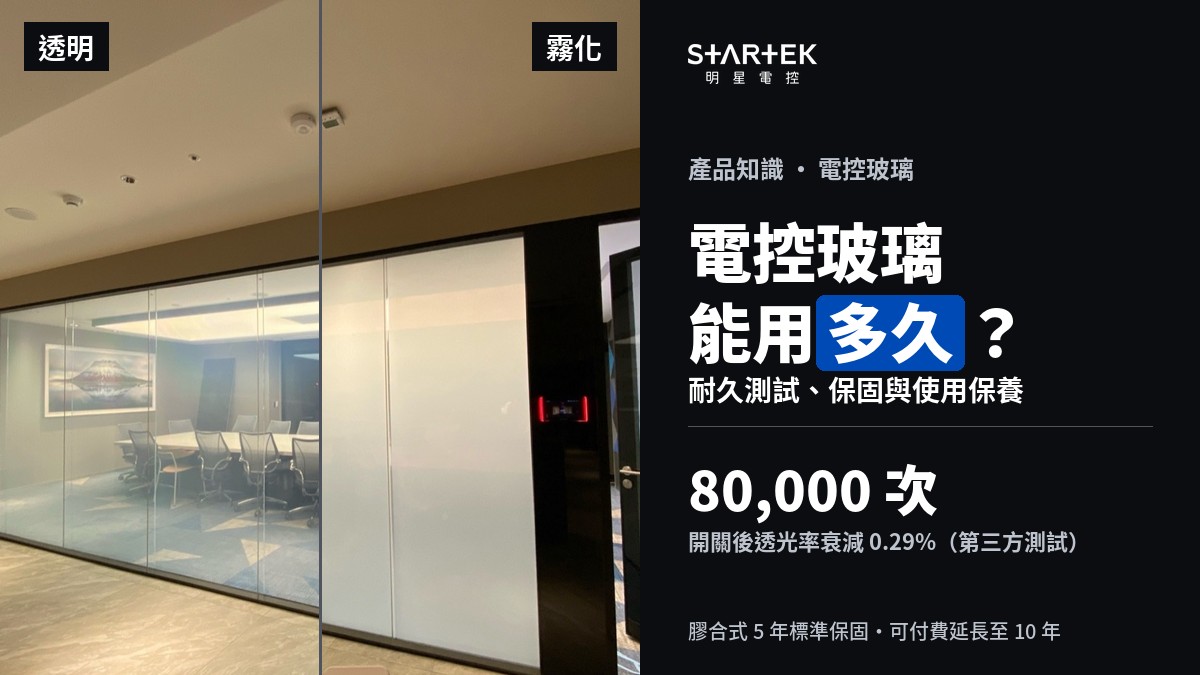
How Long Does PDLC Smart Glass Last? Durability Tests, Warranties, and Care
Smart Glass Revealed -
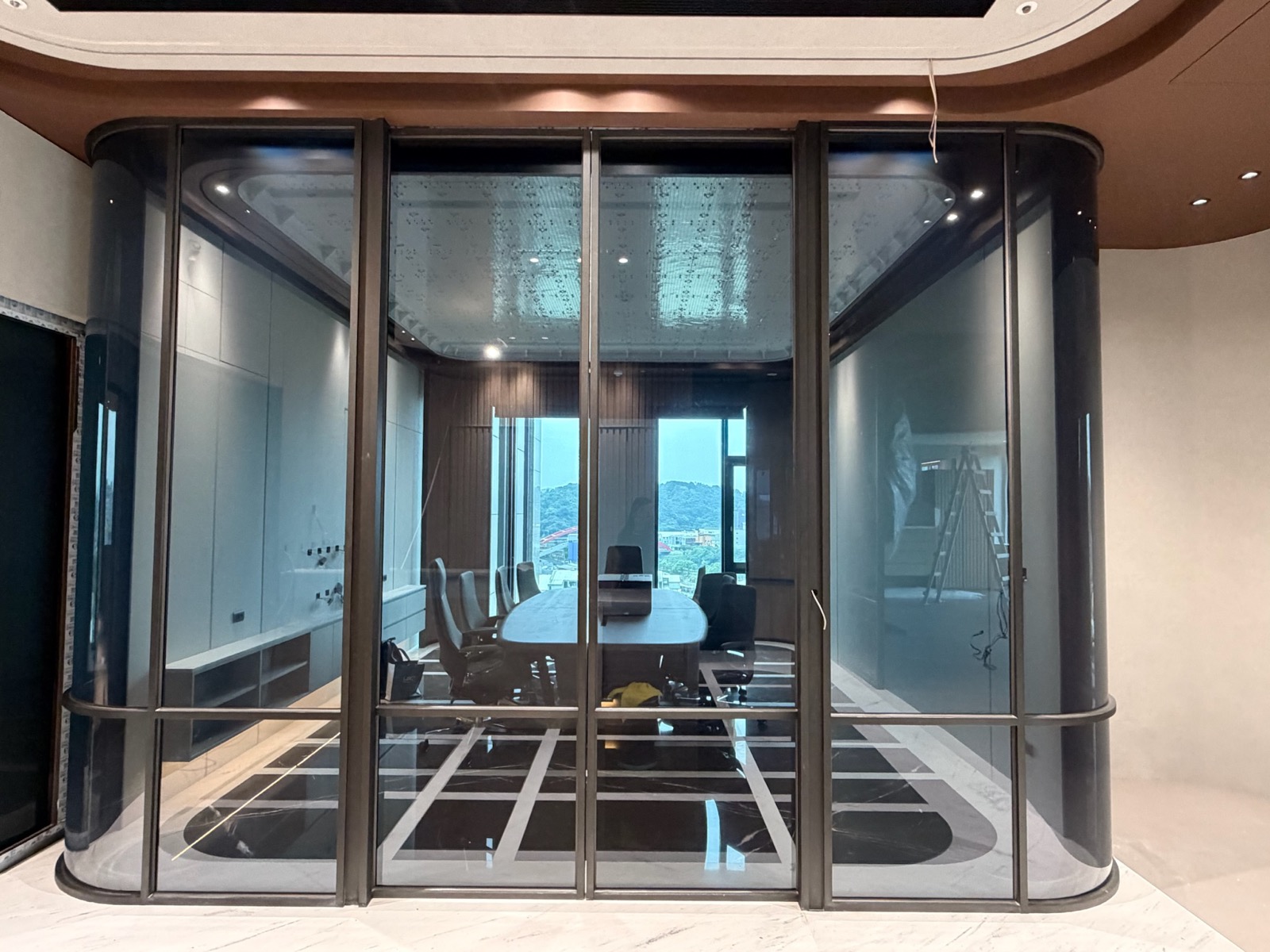
Retrofit PDLC Film or Laminated Switchable Glass? When Retrofit Film Works
Smart Glass Revealed