What is Transparent Conductive Film? What Technologies Are Used?

The optoelectronics industry continues to evolve over time, and the application of transparent conductive films is becoming more and more popular, including early resistive touch panels with low chip resistance requirements, which can be used in various small-size LCD displays, such as bank ATMs, station ticket vending machines, and electromagnetic wave protection (EMI). Shielding), anti-static (ESD) film, and as the application size of transparent conductive films gradually expands, including smart energy-saving windows, medium and large-sized capacitive touch panels, and even solar cells, the requirements for their sheet resistance are also higher.
Transparent conductive materials are mainly divided into two categories, one is thin metal film, and the other is metal oxide semiconductor film. In the 1940s, production bottlenecks began to be broken and ITO films with low sheet resistance and high penetration rate were achieved. ITO has the best electrical conductivity, making it the mainstream of TCO after the 2000s. However, the main raw materials of ITO are rare earth minerals, whose sources are controlled in a few countries such as China, South Korea, and Japan. Therefore, the price of raw materials is susceptible to market fluctuations. Therefore, the optoelectronic industry is also actively developing other materials that may be substituted.
In addition to ITO, the applications of metal oxide semiconductors in transparent conductive films include ATO, FTO, and transparent conductive materials composed of ZnO as the base material. The representative material among conductive polymers is PEDOT, which has the advantages of coatability and flexibility. However, this structure causes it to absorb specific wavelengths and appear obviously blue, and its stability is poorer than other materials, and its sheet resistance is relatively high.
In short, each material has its advantages and disadvantages. However, there are differences in industrial characteristics and product application scenarios. When consumers understand product marketing content, they should comprehensively consider and consider applicability and subsequent maintenance benefits.
Data source: Material Information Network Optoelectronics Special Issue (www.materialsnet.com.tw)
Related Articles


Latest Articles
-
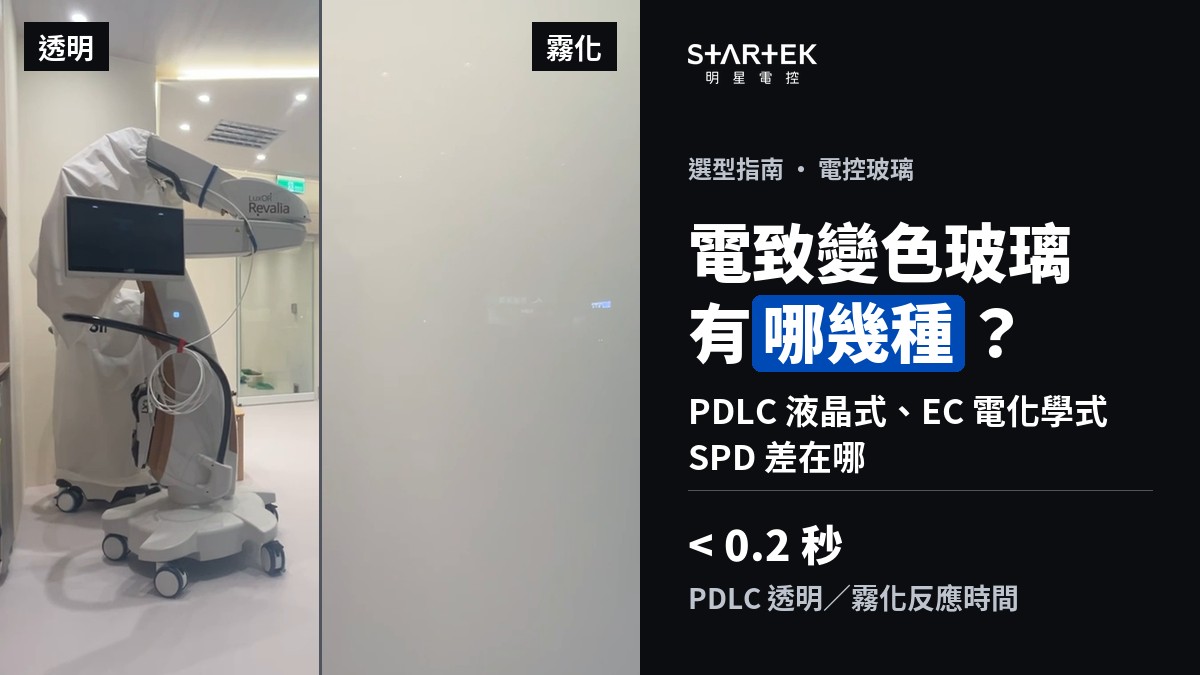
PDLC vs Electrochromic vs SPD: How to Choose the Right Switchable Glass Technology
Smart Glass Revealed -
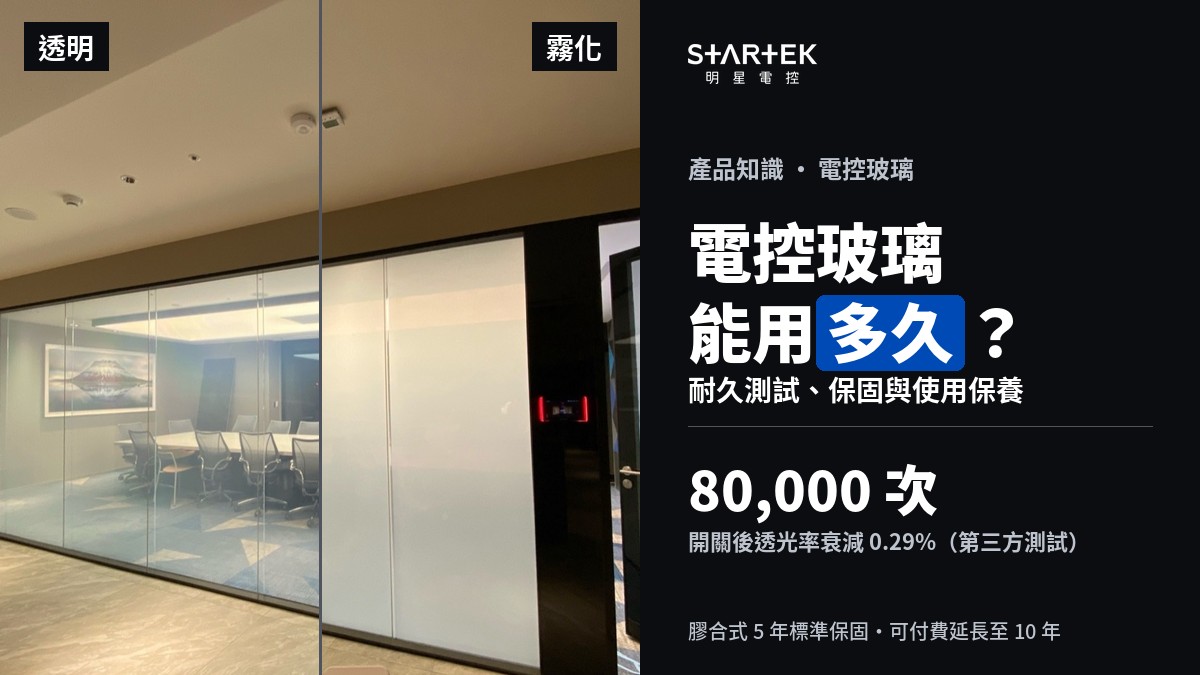
How Long Does PDLC Smart Glass Last? Durability Tests, Warranties, and Care
Smart Glass Revealed -

Retrofit PDLC Film or Laminated Switchable Glass? When Retrofit Film Works
Smart Glass Revealed