How to maintain smart glass?

The Electronic Control Glass (PDLC) itself is a combined product of liquid crystal conductive film and glass. If it is a direct-mount combination, the surface hardness of the liquid crystal conductive film will be about 7~9H. It is made of PET, so dust and fingerprints are not easy to leave on the surface. If the customer chooses a glued product, the surface will be glass. The advantage of glass is that it is clear, but it also has problems with fingerprints or grease residues and is difficult to clean.
After the electronically controlled LCD glass is installed and used for a long time, it is difficult for customers to distinguish which product it is (direct-mounted type or glued type), and the cleaning is often not handled by the purchaser personally. Therefore, if you do not pay attention during maintenance and the edge sealing is not handled properly, liquid crystal contamination may occur.
During installation, Startek construction personnel will use special construction methods to seal the four sides of the electronic control LCD glass, and strengthen waterproofing and moisture-proofing around it. Recently, we have also cooperated with UGuard Nanotechnology Service Co., Ltd. to use coating (Note 1) on the glass surface for maintenance. Therefore, the glass can not only be cleaned normally after installation, but can also be used as a whiteboard. You can freely write on the surface in meetings or home scenes, and it is very convenient to use and maintain.
UGuard Nano Technology Service Co., Ltd. will also provide users of Startek with a limited-time free plan, allowing you to experience the convenience of glass coating that is not easy to get dirty and does not leave fingerprints! Welcome to make an appointment with us for on-site measurement and evaluation!

(Note 1): Nanotol The principle of coating is to uniformly and physically fill and adhere nano-silica to the glass surface and pore defects through non-ionic active interface agents, so that the glass surface is protected from environmental pollution, such as industrial dust, human dust, acid-base cleaners, active interface agents, mold, natural oxidation, etc., so that the glass is protected, always fresh and easy to clean. In addition, the coated glass can increase the light transmittance by about 6% through instrument measurement, which is quite worthy of application and saves money and time in the long run.
Related Articles


Latest Articles
-
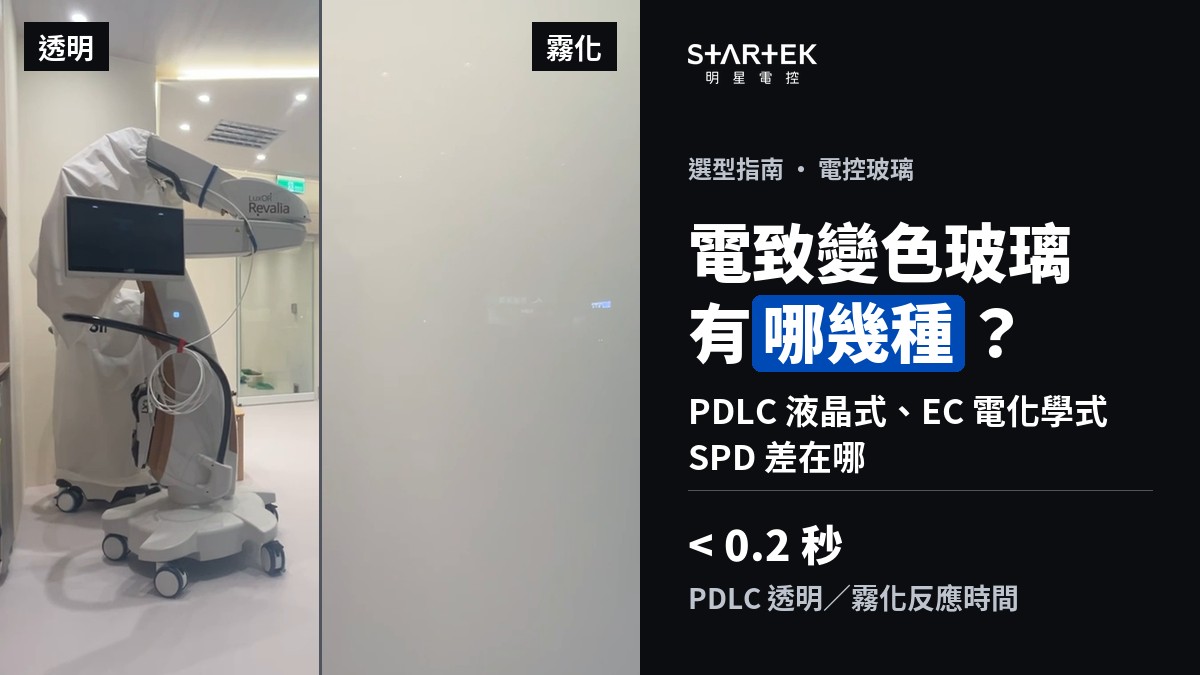
PDLC vs Electrochromic vs SPD: How to Choose the Right Switchable Glass Technology
Smart Glass Revealed -
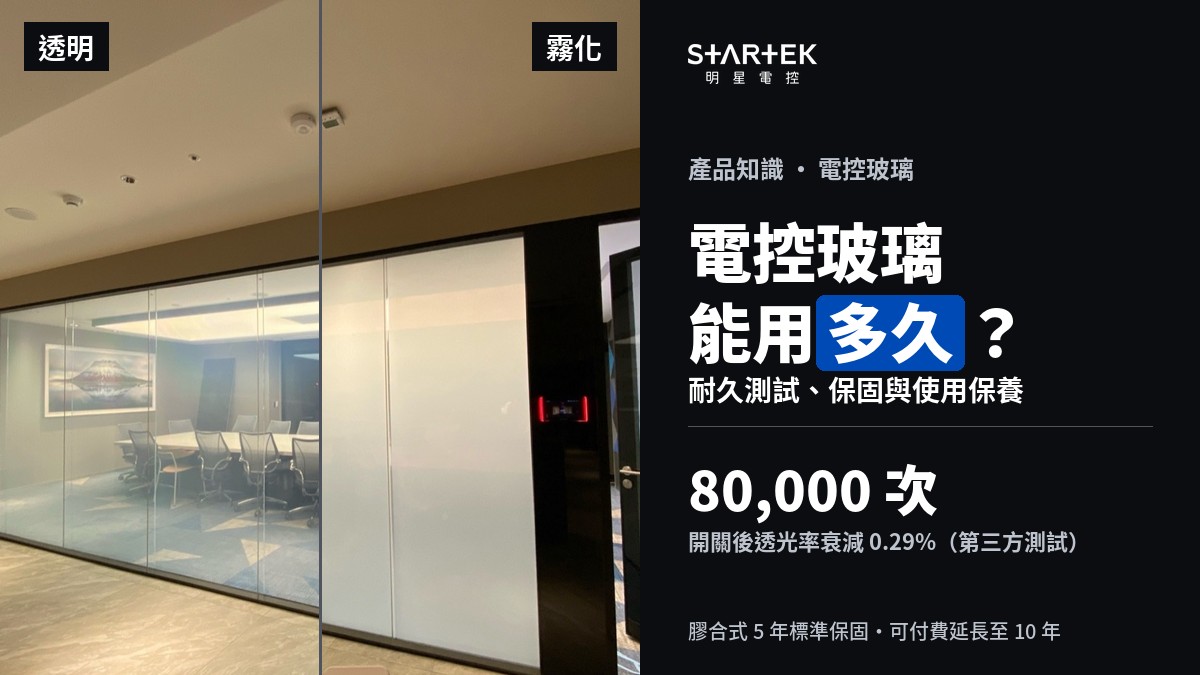
How Long Does PDLC Smart Glass Last? Durability Tests, Warranties, and Care
Smart Glass Revealed -
Retrofit PDLC Film or Laminated Switchable Glass? When Retrofit Film Works
Smart Glass Revealed