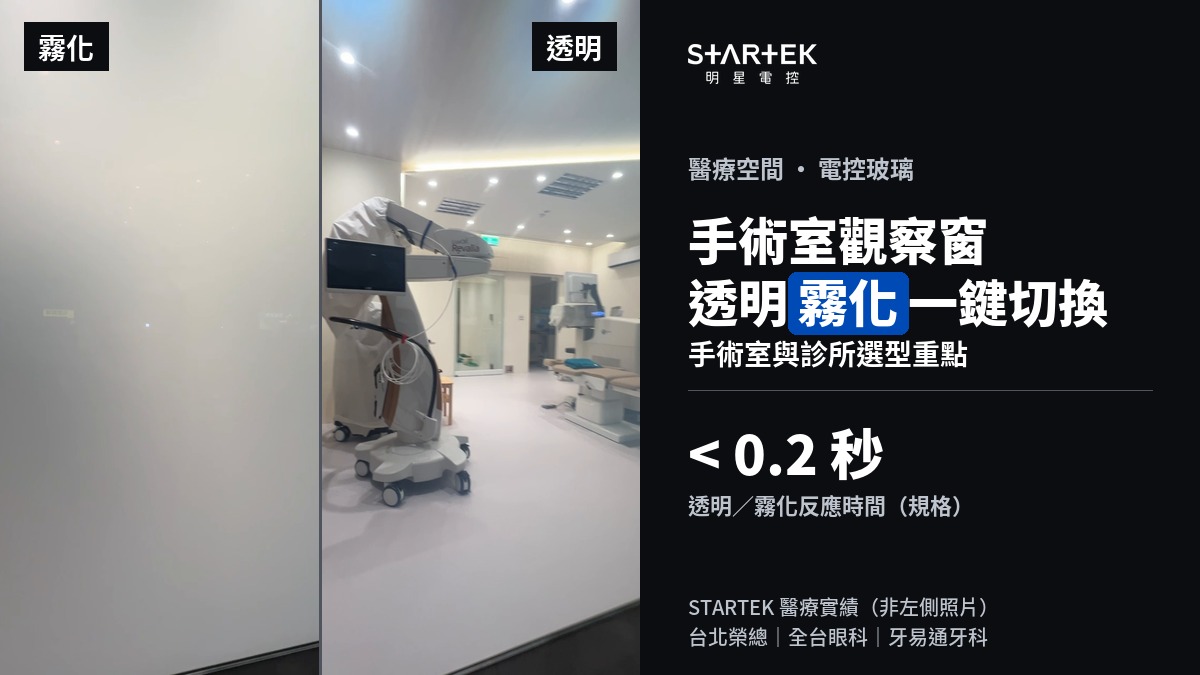
Smart Glass Soundproofing Analysis | Best Choice for Meeting Rooms and Office Spaces?

Many customers are considering installingElectronic Control Glass (PDLC) (smart dimming glass)At this time, in addition to the advantages of privacy switching, there is also a question of concern:
"Does Electronic Control Glass have sound insulation effect?"
Today we will start fromAcoustics professional perspective, to give you an in-depth understanding ofThe truth about Electronic Control Glass sound insulation, and shares key points to consider when planning a meeting room or office space.
1. The sound insulation effect of glued Electronic Control Glass is essentially better than that of single-piece glass
The structure of Electronic Control Glass is different from ordinary single-piece glass. It is made of two pieces of glass sandwiched with a liquid crystal film, and then pressed together through a gluing process.
Such a multi-layer structure is equivalent to "double-layer glass", which naturally reduces noise better than a single piece of glass in terms of sound transmission, and has significantly improved the daily office or home environment.
In the acoustics major, I will useSTC (Sound Transmission Class, sound insulation level)To measure the material’s ability to block sound:
Generally, the STC of a single piece of glass is approximately28–30Around.
Standard laminated glass or Electronic Control Glass can achieve35–37, which is a medium to high level of sound insulation effect.
This means that in daily office or home environments, Electronic Control Glass can indeed bring significant improvements.
2. When installing in a conference room, pay attention to the ceiling design
Many people hope to use Electronic Control Glass partitions in conference rooms to take into account both privacy and sound insulation. However, problems often encountered in practice are:
The ceiling is unsealed, or the top of the compartment is directly connected to the outside space。
In this case, even if the glass itself has good sound insulation effect, the sound will still be transmitted through the ceiling gap, causing the actual sound insulation effect to be greatly reduced.
Therefore, when planning a conference room, it is necessary to ensure that the ceiling has complete inverted ceiling panels so that the sound insulation value of Electronic Control Glass can be truly utilized.
In addition, Taiwan’s national standardsCNS 9056 Sound Absorption SpecificationIt is also mentioned in that relying solely on the sound absorption data of walls or single materials (such as NRC value, Noise Reduction Coefficient) is not enough to ensure sound insulation, because sound will propagate along building gaps. This is why meeting room planning must be thoroughly reviewed.
3. Doors are the biggest key to sound insulation
No matter how good the soundproof wall is, if it is paired with an ordinary door, the soundproofing performance will often directly collapse.
The easiest place for sound to penetrate is the "door crack":
Professional recording studios will useDouble door frame, completely blocking sound transmission.
High-end foreign business offices will useHigh sound insulation system glass door, the cost of one door may exceed NT$150,000.
The core of these professional designs is to "reduce sound leakage from door gaps". If the budget is insufficient and ordinary glass doors are used, it is almost impossible to achieve excellent sound insulation effects.
4. The sound insulation experience is subjective, but the test data must be scientific.
Everyone has different levels of sensitivity to noise:
Some people tolerate the sound of chatter outside the office;
Some people are bothered by the subtle sound of the air conditioner.
Therefore, if it is a project with clear requirements for sound insulation,Be sure to involve acoustic experts before planning, conduct space design evaluation. After completion, actual inspection must also be carried out to ensure that the sound insulation data meets the standards, rather than purely based on the user's subjective feelings.
Summary
Electronic Control Glass sound insulation: Better than single glass, STC about 35–37.
Things to note about soundproof glass in conference rooms: Whether the ceiling is sealed and whether the wall structure is complete.
The key to sound insulation: Door gap treatment is the most important. Professional soundproof door systems are expensive but have the best effect.
Professional advice: For sites with high sound insulation requirements, be sure to seek an evaluation from an acoustic expert before planning and test the data after completion.
The glued structure of Electronic Control Glass does provide better sound insulation performance than single panes of glass, but the true sound insulation quality often depends onoverall space planning: Ceiling, walls, and the most important "door".
If the space has high requirements for sound insulation but is limited by budget, it is usually difficult to achieve the desired effect. It is recommended to work with an acoustic expert at the early stage of the project to ensure that the actual performance of the space meets the needs.
Related Articles


Latest Articles
-
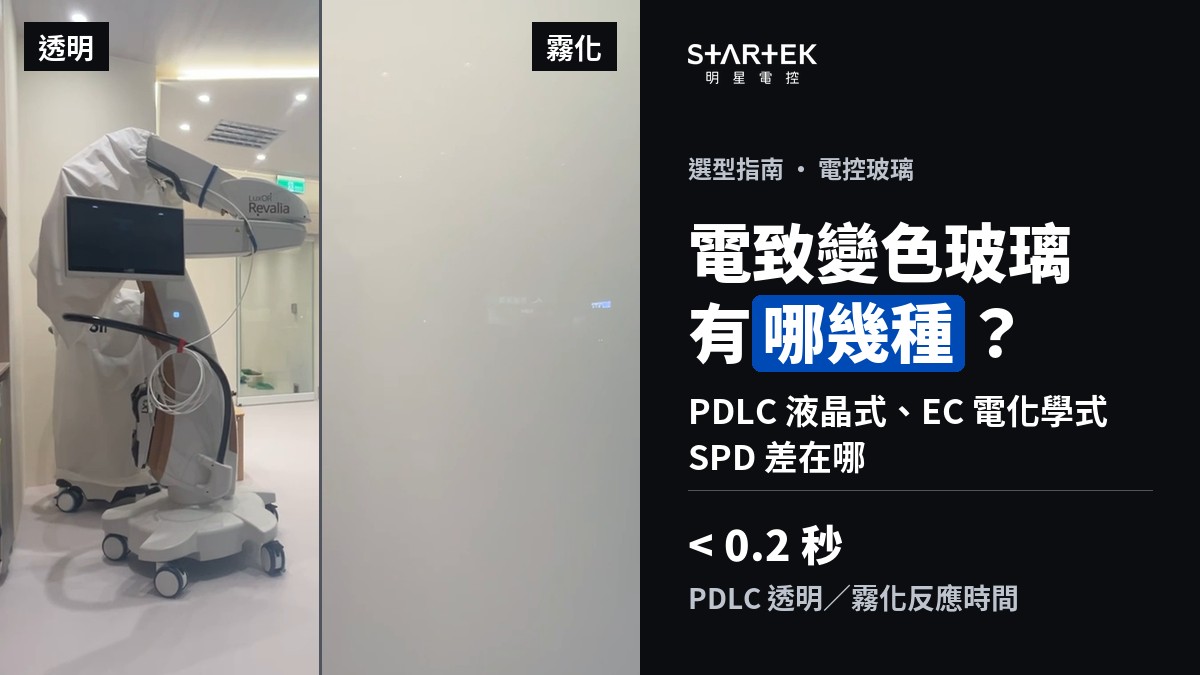
PDLC vs Electrochromic vs SPD: How to Choose the Right Switchable Glass Technology
Smart Glass Revealed -
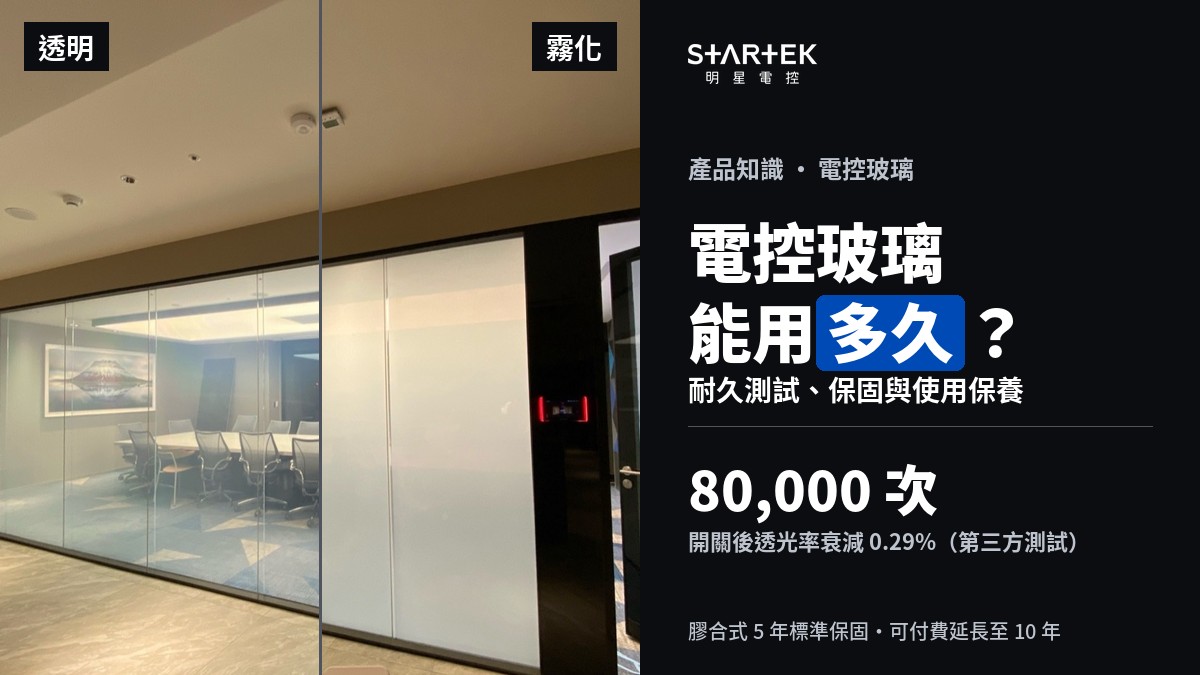
How Long Does PDLC Smart Glass Last? Durability Tests, Warranties, and Care
Smart Glass Revealed -
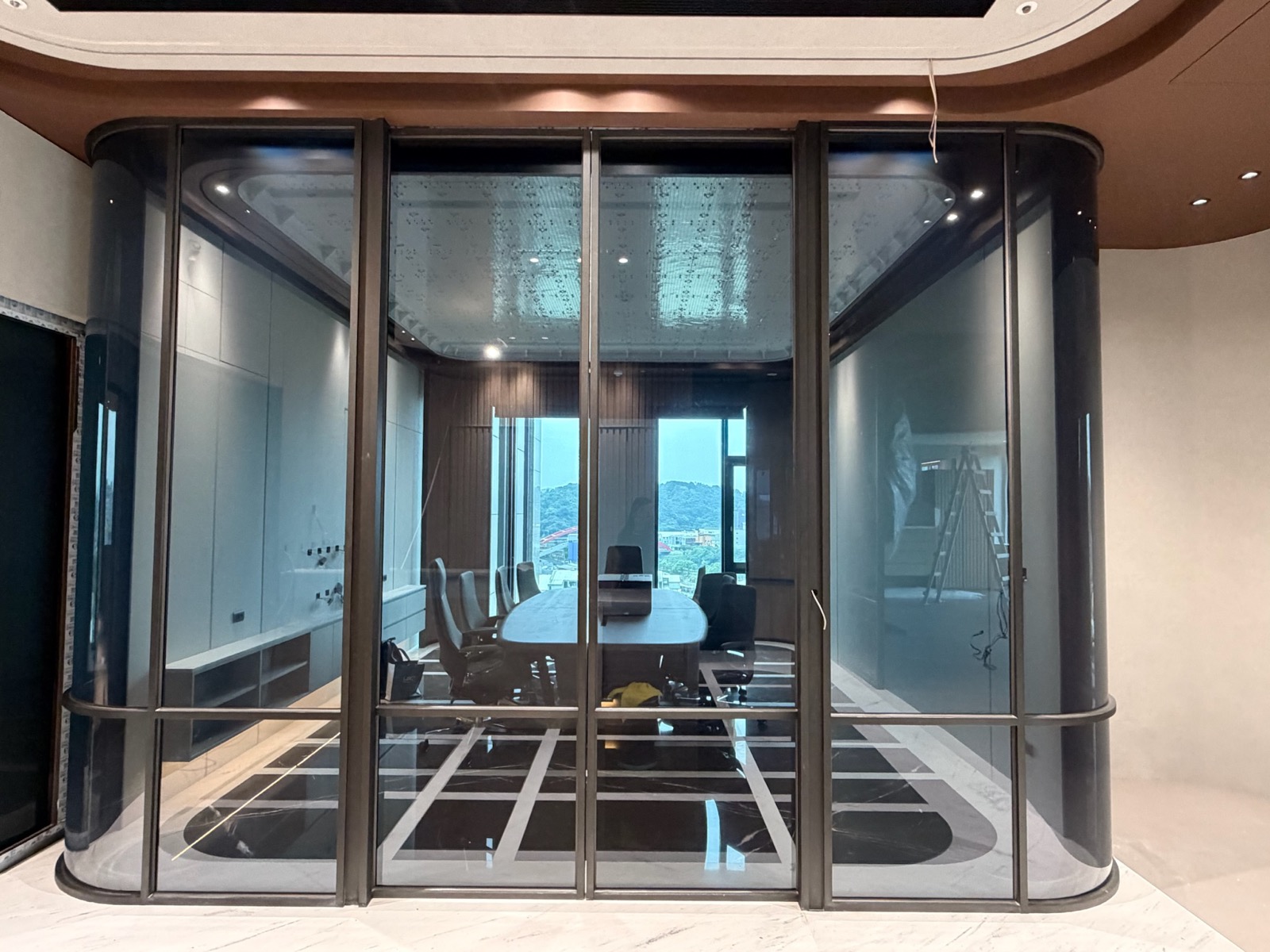
Retrofit PDLC Film or Laminated Switchable Glass? When Retrofit Film Works
Smart Glass Revealed